Why Ngorongoro Crater Is the Eighth Wonder of the World
The Ngorongoro Crater is located in the middle of northern Tanzania and it is one of the most remarkable natural phenomena on the planet. To be called sometimes as The Eighth Wonder of the World, this UNESCO World Heritage Site is the artwork of the creativity of nature, a huge volcanic caldera that within contains a whole ecosystem. Dramatic sceneries and wildlife are just some of the many exciting opportunities that the Ngorongoro Crater provides a peep into the past and a promise of eternal beauty that has remained captivating to tourists all over the world.
The Birth of a Natural Marvel
The Ngorongoro crater was created between two to three million years ago where a massive volcano erupted and collapsed in the middle. The resultant depression, a caldera is an estimated 20 kilometers in diameter and then it goes down 600 meters wide forming an amphitheater of life naturally. The crater floor has through the years developed to one of the most productive and biodiversity areas in Africa over millennia.
The uniqueness of Ngorongoro is an isolated ecosystem. The crater is a self-sustaining environment unlike other wildlife habitats which rely on migration or even external influences to survive. The highlands are fed by rivers and streams and the water flows down to fertile grasslands, swamps and a soda lake, Lake Magadi. It is a fine equilibrium between geography and eco-system that has caused Ngorongoro to be the true cradle of life a sort of miniature of the Serengeti but with the added walls of volcanic rock.
An African Safari Heaven on Earth.
Ngorongoro crater has been nicknamed a natural zoo, but as opposed to zoos that are made by man, the animals here exist in their full freedom. It has approximately 25,000 large mammals and more than 500 species of birds that live within its circular area. This extraordinary concentration of the wildlife makes it one of the best game viewing areas in the planet.
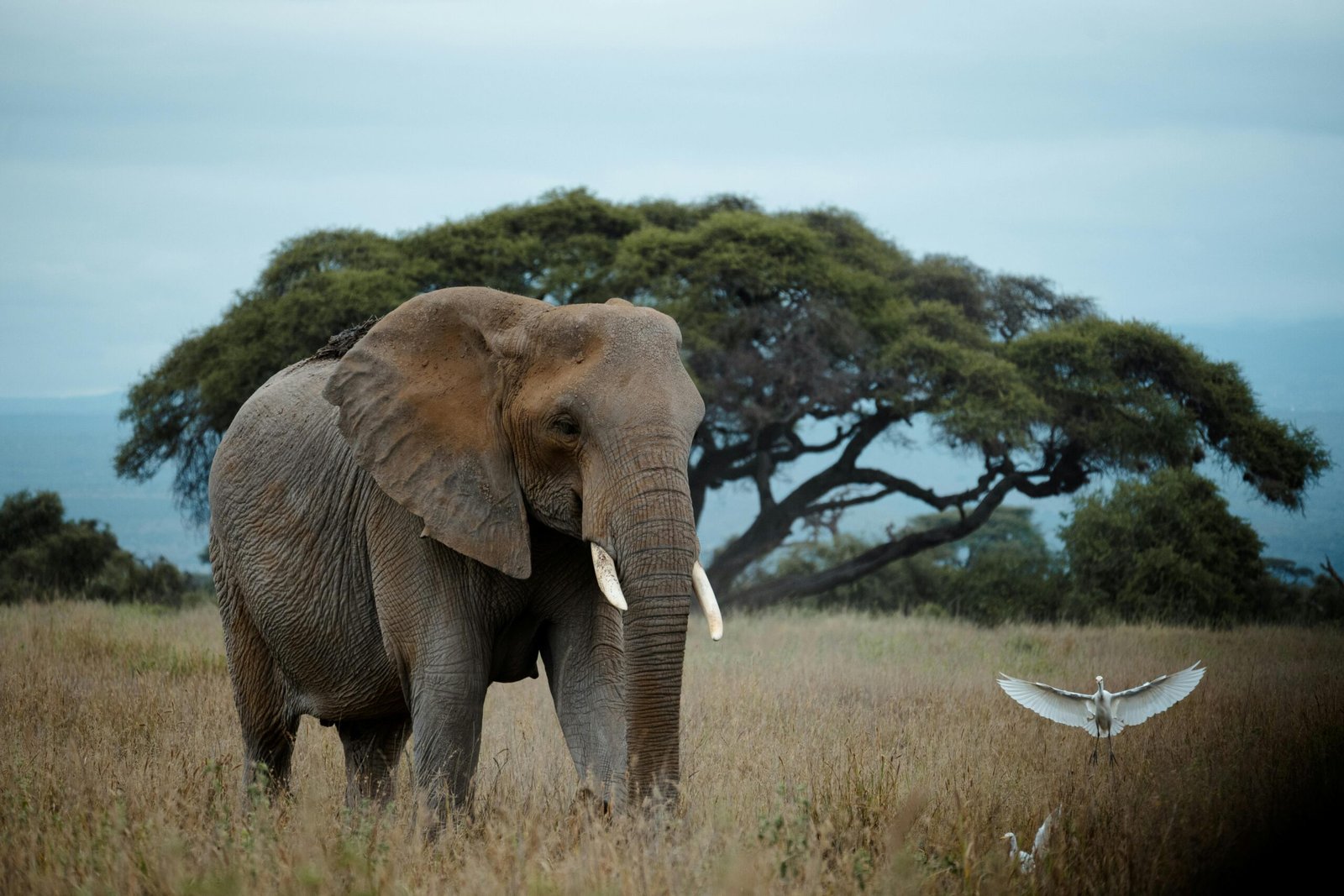
In a day of the safari, visitors can see the so-called Big Five, i.e., lions, elephants, leopards, buffaloes, and rhinos. The crater is among the few remaining habitats of the endangered black rhinos in Tanzania and the sightings here are both rare and rewarding. Lions are especially common and prides usually spend their time in the open plain without any disturbance by the safari cars. Mostly old bulls, the elephants roam as gracefully as possible across the floor of the crater and the tusks of the bulls shimmer in the sunlight.
Thousands of wildebeests and zebras leave the Serengeti in the green season, which is in the wake of rains and green grass. This seasonal movement gives this crater another dimension of movement, it becomes a theater of life and survival based on nature and instinct. The shallow waters of Lake Magadi are also flocked by the flamingos and even turn it pink which is a spectacular sight that stuns the visitors into utter astonishment.
An Ecological Microcosm
What is unique in Ngorongoro is not only an abundance of animals but an amazing number of habitats that are found in such a small space. On an area of only 260 square kilometers, there are open grasslands, acacia forest, marshes and lakes. These zones harbor different species of their own.
An example is the Lerai Forest, a green acacia forest which houses the elephants and monkeys and the Gorigor Swamp where the hippo and water birds can be found. The dry grasslands also host grazers such as gazelles and warthogs thus attracting predators such as lion, cheetahs and hyenas. It is this delicate equilibrium between predators and prey, between flora and fauna that makes Ngorongoro a great microcosm of African ecology – all within one caldera.
A Window Into Human Origins
Ngorongoro is also a place of great archaeological significance in addition to its natural beauty. Olduvai Gorge, commonly referred to as the Cradle of Humankind is only a short drive away. This was the place where paleoanthropologists, Louis and Mary Leakey, found fossils of the earliest human ancestors dating back to almost 1.9 million years ago. These discoveries provided a revolutionary evidence of human evolution and made Ngorongoro the center of anthropological studies in the world.
Touring the Olduvai Gorge Museum enables the tourist to take on a stroll through time, connecting the narrative of how people lived the old fashioned way, hunted, and adapted to their immediate surroundings. On the edge of this ancient ravine, it is quite possible to realize how the Ngorongoro area is not only the marvel of nature, but the cradle of mankind as well.
The Highlanders: Cultural Harmony.
To the mystery of the crater, there is the life of Maasai people that have been in existence with the wildlife over the centuries. The Maasai, with their colorful clothing, nomadic life, and strong appreciation of the nature are part of the Ngorongoro story. The highlands around the crater are dotted with their villages called bomas which provide the visitor with a rare insight into their traditional and cultural strength.
The Ngorongoro Conservation Area, unlike most of other conservation areas, is a multiple-use zone – that is, there are wildlife, people and livestock. The Maasai still pasture their cattle in the rim of the crater and they lead a sustainable lifestyle culture that respects their culture, and nature. Their existence makes the visitors recall that Ngorongoro is not merely the natural marvel but the living environment created by culture and coexistence.
A Photographer’s Dream
There are not many spots on the planet that can be compared to the visual splendor of Ngorongoro. The perspective of the top of the crater is so much that it is magic — a panoramic picture of green carts, glittering lakes and herds at a distance like dots on a canvas of the artist. During sunrise, the crater is filled with light that is golden and the mist is floating down the slopes making a magical show.
This is a bottomless source of inspiration to photographers and nature lovers. Each corner brings out a postcard-perfect view; it could be a lioness hunting or flamingos mating in the reefs or the figures of the Maasai herders, the silhouettes of them standing in the background of the sunset. It is a sort of a place where time appears to have not passed yet where the wild is wild and pure.
Preserving the Wonder
Although the beauty of Ngorongoro is immortal, it is struggling with the contemporary challenges. The threat of its balance is caused by increasing tourism, climate changes, and population pressure. The government of Tanzania and the international organizations are making conservation efforts to preserve this delicate ecosystem by practicing sustainable tourism and community participation. Travelers can also help to protect this great creation of nature by visiting it responsibly by staying on tracks, observing wildlife, and contributing to the well-being of local communities so that this masterpiece of nature will have generations to live.
Summary: A Living Wonder Beyond Compare.
Ngorongoro Crater is not only a place to visit, it is also an experience that appeals to the soul. It is the intersection of geology, biology and anthropology – the land where you can even see the primal dance of life and the dark past of human race. It is a journey into a living storybook, with its spectacular scenery to the flourishing wildlife and its ancient cultures, every moment at Ngorongoro is a dream.
It is no wonder it is referred to as the Eighth Wonder of the World. It is not only due to the impressive scenery, but to a unity of nature, history, and man, that has stood the test of time and has been in awe of people who are lucky enough to see it.
All Categories
Recent Posts

Top 10 Wildlife Encounters You Can’t Miss on a Tanzanian Safari
Hidden Wildlife Gems: Lesser-Known Parks Worth Visiting in Tanzania