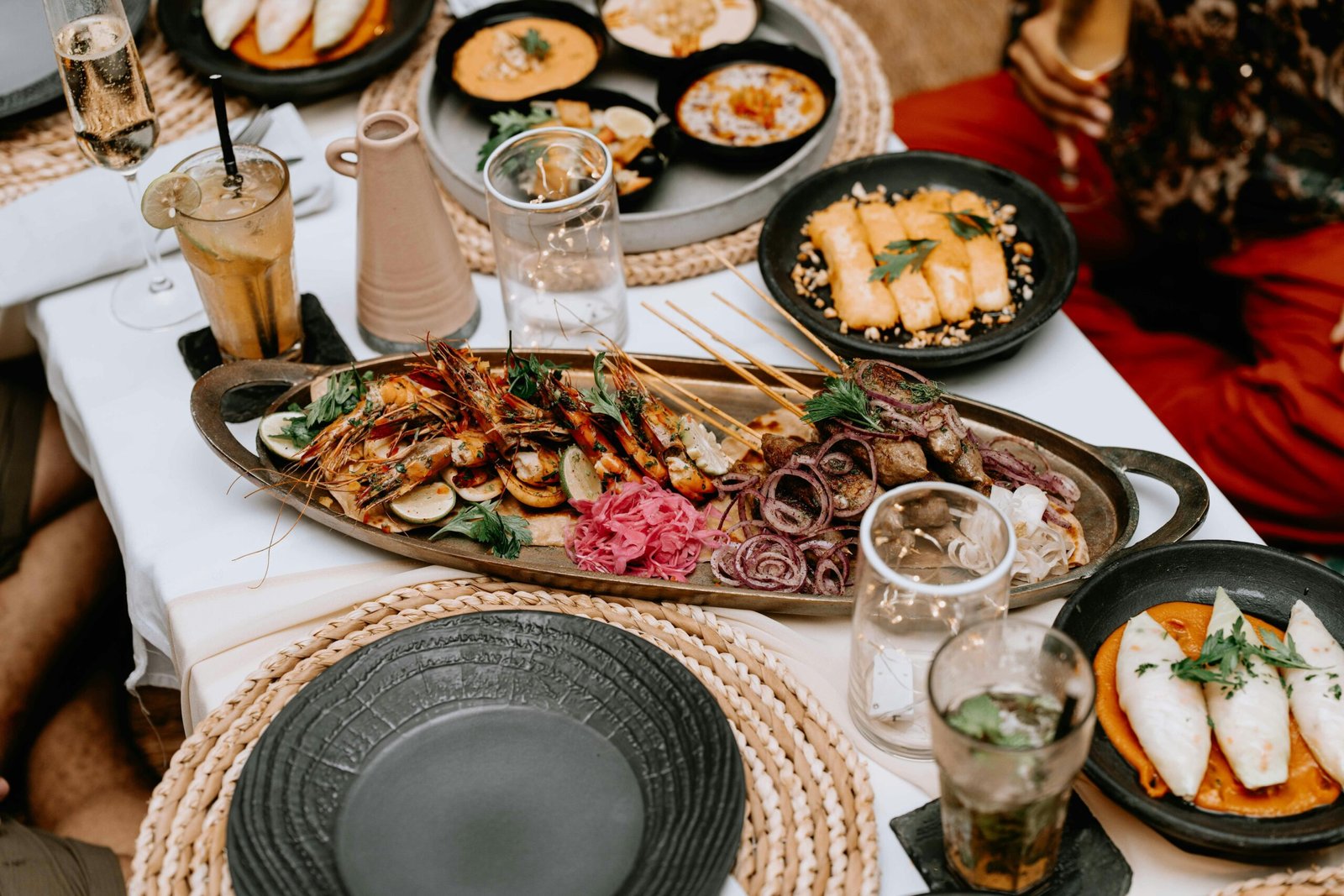
Tasting Tanzania: Must-Try Traditional Foods on Safari
A safari in Tanzania is not just about witnessing the Great Migration or spotting the Big Five—it is also a journey into one of East Africa’s richest culinary traditions. From hearty staples enjoyed in rural villages to flavorful dishes served at safari lodges, Tanzanian food reflects the country’s diverse cultures, landscapes, and history. Exploring local cuisine while on safari adds depth to your travel experience, offering a taste of daily life beyond the game drives.
Whether you are dining under the stars in the Serengeti or enjoying a freshly prepared meal near Ngorongoro Crater, these must-try traditional foods will introduce you to the authentic flavors of Tanzania.
Ugali: Tanzania’s Comfort Staple
Ugali is the foundation of Tanzanian cuisine and a dish you will encounter almost everywhere. Made by cooking maize flour with water into a thick, dough-like consistency, ugali is simple yet deeply satisfying. It is traditionally eaten with the hands, rolled into small portions, and dipped into sauces or stews.
On safari, ugali is often served alongside meat, vegetables, or beans, making it an ideal energy-packed meal after a long day of exploration. While mild in flavor on its own, it perfectly complements rich gravies and spicy dishes, allowing the accompanying ingredients to shine.
Nyama Choma: The Heart of Tanzanian Dining
Nyama choma, meaning “grilled meat,” is one of Tanzania’s most beloved dishes. Usually made with beef, goat, or chicken, the meat is slow-grilled over an open flame until tender and smoky. Seasoning is kept minimal, allowing the natural flavor of the meat to take center stage.
During safari stops or cultural visits, you may enjoy nyama choma served with ugali, kachumbari (a fresh tomato and onion salad), and chili sauce. This dish is more than just food—it is a social experience, often shared among friends and family, making it a memorable part of your journey.
Pilau: A Celebration of Spices
Pilau is a fragrant rice dish infused with spices such as cinnamon, cardamom, cloves, and cumin. Influenced by coastal Swahili and Arab cuisine, pilau is commonly prepared with beef, chicken, or goat, giving it a rich, aromatic flavor.
Many safari lodges serve pilau as part of their dinner menus, especially during special evenings. Its warm spices and satisfying texture make it a favorite among travelers looking to experience Tanzania’s culinary diversity while enjoying a comforting meal in the wilderness.
Wali wa Nazi: Coconut Rice Delight
Coconut rice, known locally as wali wa nazi, is a staple in coastal and island regions but is also popular inland. Cooked with coconut milk, this dish has a creamy texture and slightly sweet flavor that pairs beautifully with seafood, chicken, or vegetable curries.
On safari, wali wa nazi is often served during lodge meals inspired by Swahili cuisine. It offers a refreshing change from plain rice and adds a tropical touch to your dining experience, reminding you of Tanzania’s Indian Ocean heritage.
Mchuzi wa Samaki: Flavorful Fish Stew
Fish stew, or mchuzi wa samaki, is commonly made with fresh fish simmered in a tomato-based sauce flavored with garlic, onions, and spices. While fish is more prevalent in lakeside and coastal regions, safari camps near Lake Victoria or other freshwater sources often include this dish on their menus.
Served with rice or ugali, mchuzi wa samaki is light yet flavorful, making it an excellent option after a warm day on safari. Its balanced taste reflects the importance of lakes and rivers in Tanzanian cuisine.
Ndizi Nyama: Bananas Meet Meat
Ndizi nyama is a traditional dish that combines green bananas with beef or goat in a savory stew. Popular in northern Tanzania, particularly among the Chagga people, this dish is both filling and nutritious.
The bananas absorb the flavors of the meat and spices as they cook, resulting in a comforting, mildly sweet stew. Travelers on safari in regions near Mount Kilimanjaro may encounter ndizi nyama as part of a cultural meal or lodge menu, offering a taste of regional heritage.
Chapati: A Versatile Favorite
Chapati, a soft flatbread influenced by Indian cuisine, is widely enjoyed across Tanzania. Made from wheat flour, chapati is often served at breakfast or alongside stews and vegetables.
On safari, chapati is especially popular during morning meals, paired with eggs, tea, or honey. Its versatility and familiar texture make it a favorite among international travelers, while still representing an important part of local food culture.
Kachumbari: Fresh and Refreshing
Kachumbari is a simple yet vibrant salad made from tomatoes, onions, and chili, sometimes enhanced with lemon juice or coriander. It is commonly served as a side dish to balance richer meals like nyama choma or pilau.
This fresh accompaniment adds brightness to safari meals and reflects Tanzania’s preference for balancing hearty dishes with light, refreshing flavors.
Street Snacks and Sweet Treats
While safaris focus mainly on lodge dining, some itineraries include town visits where you may encounter popular snacks like mandazi—slightly sweet, deep-fried dough similar to a donut. Often enjoyed with tea or coffee, mandazi is a comforting treat that showcases Tanzania’s Swahili influence.
Fresh tropical fruits such as mangoes, pineapples, and bananas are also widely available and often served at safari camps, offering a naturally sweet way to end a meal.
Savoring Tanzania Beyond the Safari
Tasting traditional foods on safari allows you to connect with Tanzania on a deeper level. Each dish tells a story of cultural exchange, regional diversity, and everyday life. From the simplicity of ugali to the rich spices of pilau, Tanzanian cuisine enhances your safari experience, turning each meal into a journey of discovery.
As you explore Tanzania’s breathtaking landscapes and wildlife, make time to savor its flavors—you’ll leave with memories that linger long after the safari ends.
All Categories
Recent Posts

Top 10 Wildlife Encounters You Can’t Miss on a Tanzanian Safari

Hidden Wildlife Gems: Lesser-Known Parks Worth Visiting in Tanzania