
Sustainable Tourism in Tanzania: How Reality Tours Is Making a Difference
Tanzania is among the most renowned tourist sites in Africa endowed with global acclaimed national parks, the magnificent Mount Kilimanjaro, and the beautiful beaches of Zanzibar. However, with the increasing tourism, the role of conservation of these natural wonders and enrichment of local people has never been greater. Sustainability tourism is not a fashion, it is a necessity. The reality tours philosophy lies in the ideology of travel being responsible and authentic with the power to community. All the safaris, treks as well as the cultural experiences are developed not only to please the travelers, but also to create a positive and long lasting impact on the people and nature of Tanzania.
What Is Sustainable Tourism?
Sustainable tourism does not just focus on a simple reduction in environmental damage. It embraces three pillars:
Environmental protection- Protection of ecosystems, wildlife and landscapes.
Community empowerment- Making sure that locals are empowered in both economic and social respects.
Cultural respect- Saving heritage, traditions and pure ways of life.
In the case of Tanzania, where tourism activities contribute a substantial part of GDP, the concept of sustainability is needed. To balance between the need to display the natural phenomena and to protect them in order to be viewed by the people in the future is a fine line to walk and responsible tour operators such as Reality Tours are on the frontline.
Reality Tours Community invests in the local communities.
There is a core principle in Reality Tours: tourism must not be exploitative but empowering. Through direct dealings with local guides, artisans and community initiatives the company helps make sure that travel dollars remain in Tanzania.
Jobs: Reality Tours have been keen on employing local guides and employees who receive decent salaries and professional training. This will not only sustain livelihood but also guarantee guests access to rich local knowledge and narrative.
Community projects: Part of the profits is invested in education, health and skills development projects. It can be on the sponsorship of schools in villages or sponsoring young people to vocational training, in any case, Reality Tours guarantees that societies will experience direct returns.
Cultural immersion: Travelers will be encouraged to engage in natural cultural interactions, not by acting, but by participating in a meal together, learning local ceramics and craftsmanship, or going to a local market. It is a dignified interaction that leads to knowledge and pride.
Eco-Safaris and Wildlife Conservation.
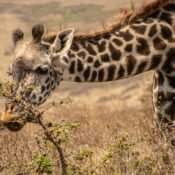
The Serengeti, Ngorongoro Crater, Tarangire and other reserves where millions of animals are found are located in Tanzania. However, there are unpleasant threats such as poaching, habitat loss, and climate change. Reality Tours incorporates conservation in all safari:
Ecologically friendly cars: Safaris are done in cars that consume less fuel and which are well maintained in order to minimize their carbon foot print.
Protective park fees: Reality Tours makes sure that all park fees and conservation fees are paid long with it, and they contribute to the maintenance of Tanzanian national parks directly.
Education and awareness: Visitors can be advised to view wildlife responsibly, by keeping a distance, not blogging, and not disturbing the natural habits. Guides provide knowledge about conservation issues and make visitors their protectors of the wildlife.
Collaboration with NGOs: Reality Tours participates in anti-poaching activities and wildlife surveillance by partnering with local conservation organizations.
Encouraging Responsible Tourism.
Sustainable tourism does not only concern the actions of the tour operators, but also how the travelers interact with the destination. Reality Tours trains all guests about responsible traveling:
Plastic-free safaris: It will encourage tourists to come with reusable water bottles, and refill points will be established on hiking.
Eco-lodges and camps: The accommodation is selected in terms of sustainability as often as possible-solar energy, water recycling, and the least environmental impact.
Cultural appreciation: The visitors are informed about local cultures, the right style of dressing and how to behave in such cultural visitations respectfully.
Principles of leave-no-trace: Be it hiking on the Kilimanjaro mountain or staying in the Serengeti, it is always aimed at leaving the place as clean as it was discovered.
Feminism in the Tourism Industry.
Women have long been left out in opportunities that are related to tourism in most parts of Tanzania. Reality Tours is taking a positive step towards this by sponsoring women empowerment initiatives:
Women training to be guides, drivers and hospitality workers.
Enhancing woman owned enterprises, be it handicrafts cooperatives or community lodges.
Promoting cultural interactions in which the role of women is emphasized in traditional Tanzanian society.
Reality Tours makes equal opportunities available, and therefore, not only gender equality is promoted but also tourism makes a more comprehensive and inclusive contribution.
Tourism has a positive impact on the education sector.
This is one of the most remarkable contributions of Reality Tours, its investment in education. Schools, scholarships and classroom provision in underprivileged regions are supported by tourism revenues. The travelers can also visit these schools and establish significant contacts and know how their journey will help a child in his future.
Sustainability is a potent instrument of education, as the future generation will be raised knowing the need to preserve, have cultural pride, and practice responsible development.
Ripple Effect of Ethical Travel.
The benefits of sustainable tourism are significant through years:
Economic growth: The tourism value chain provides enhanced benefits to local farmers, artisans, as well as transport providers.
Preservation of culture: Tourism assists the young generation in remembering their culture.
International recognition: The tourists go back home as the ambassadors of both people, wild animals and environment of Tanzania.
This is the same ripple effect that makes sustainable tourism so unique because it leaves a lasting impact other than a short-lived moment.
Conclusion
Sustainable tourism does not exist as an option, it is the future of travelling. In Tanzania, where the country is generally rich in nature and culture that brings millions of tourists every year, the contribution of the responsible operators is of utmost importance. The examples of reality Tours are the most vivid illustrations of what purposeful travel is all about: we assure that all of our safari trips and cultural tours bring positive changes to the conservation of the environment, the growth of societies, and to cultural appreciation.
When they decide to go with Reality Tours, tourists are not only exploring the magnificent sceneries in Tanzania but also join a movement to save them. They are enabling communities to prosper in the area, empowering women, educating the future generation and conserving wildlife over the coming years.
In other words, sustainable tourism in Tanzania is not a question of where to go but how to go. In the case of Reality Tours, no two journeys are alike.
All Categories
Recent Posts

Top 10 Wildlife Encounters You Can’t Miss on a Tanzanian Safari
Hidden Wildlife Gems: Lesser-Known Parks Worth Visiting in Tanzania