Into the Wild: Discovering the Untamed Beauty of Tanzania’s National Parks
Tanzania is the country where nature can show its purest manifestations; this is one of the few places on the planet where wild nature continues its great prosperity. It stretches all the way to the golden plains in the Serengeti and the mist covered slopes of Mount Kilimanjaro, this East African country is a living blanket of various sceneries and remarkable wildlife. Tanzania national parks have their own stories to tell, about migration and survival, of eternal beauty and harmony.
This expedition will be a walk into the wild where we seek out the best and most exotic but least visited national parks in Tanzania where adventure seekers, photographers, and wildlife lovers can find bare, unadulterated magic.
The Serengeti: A Life Symphony.
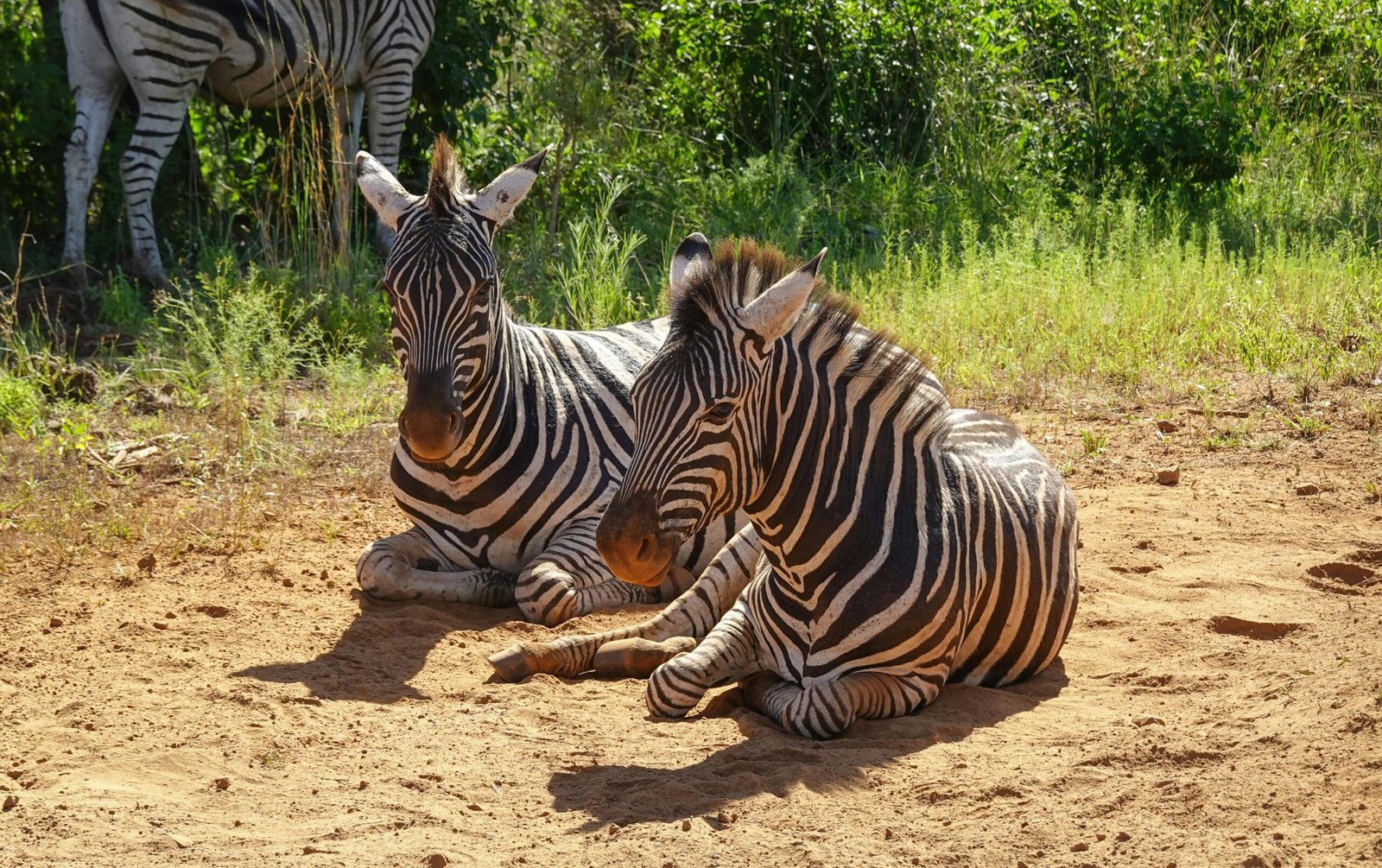
The Serengeti National Park is one of the few places that are able to encapsulate what the African wilderness entails. It covers an area of 14,000 sq. km and has one of the most spectacular scenes on earth, the Great Migration. Every year more than 1.5 million wildebeests, with the zebras and gazelles, cross the plains in search of new grazing fields which the predators follow in an eternal game of life and death.
The experience of being able to see a lion pride hunting down its prey in the golden morning light or being able to watch a river crossing at the Grumeti is something that leaves memories. However, there is something more to the drama of migration, the Serengeti is also a place of peace – the sunsets turn the sky in fire colors, the roar of the lion is heard in the distance, and the soundtrack of the night, is composed.
Ngorongoro Crater: The Amphitheater Nature has Built.
The Ngorongoro Crater is representative of one and often referred to as the Eighth Wonder of the World in that it is an eroded volcano that occurred many millions of years ago. It is an enormous caldera covering almost 260 square kilometers, which is an autonomous ecosystem housing more than 25 thousand animals. In this case, the tourists are likely to see the big five, lions, leopards, elephants, rhinos and buffaloes, all within a drive of a day.
The floor of the crater is a green patchwork of grasslands, swamps and lakes which are home to flamingos and hippos. You get a spectacular panoramic view of an ancient world that has not changed with time standing on the rim. People such as the Maasai who pasture their cows along the border of the crater give the Maasai a cultural touch that brings man into touch with the wild in a perfect harmony.
Tarangire National Park: the Home of Giants.
Tarangire National Park is the soul of the wildlife in Tanzania in case the Serengeti is its heart. This park has fewer people and features a closer and more intimate safari experience with tall baobab trees, and huge herds of elephants.
The Tarangire River is a lifeline to millions of animals during the dry season which attracts wildebeests, zebras, giraffes and even elusive leopards. Elephants in the dusty plains moving towards the setting sun in the background of the baobabs is beyond bewitching.
There will also be paradise of the bird lovers as there are more than 500 bird species found in Tarangire making it one of the richest bird habitats in East Africa.
Lake Manyara national park: a place of tree climbing lions.
This park lies in the escarpment of the Great Rift Valley and Lake Manyara and is a small jewel that is full of ecological life. Lake Manyara National Park, despite its small size, amazes the visitors with its contradictions of nature, which include groundwater forests, hot springs, and open savannas and flamingo-filled lakes.
The tree climbing lions are the most renowned residents of the park and this is an unusual behavior that is not normally witnessed elsewhere. The picture of a lazily resting lion resting on a branch with pink flamingos as the background image is what Tanzania can be characterized by in terms of its wildlife appeal.
Ruaha National Park: Tanzania: The Secret Wilderness.
Although the Serengeti takes the centre stage, Ruaha National Park is currently a forgotten treasure to individuals in need of privacy and genuineness. Ruaha, being the largest national park of Tanzania, occupying more than 20,000 square kilometers, is a huge area of rough terrain, rocky arcades, and windy rivers.
The park is a remote area where one of the biggest populations of the elephants in East Africa reside besides being the habitat of predators such as lions, leopards, and African wild beasts. The great ruaha river flows through the park and is home to hippos and crocodiles and the scenery of the wildlife thrilling experience.
To the adventurers, Ruaha provides something that is hard to find elsewhere in the wilderness and that is having the wilderness to yourself with no one present, only the uncivilized wild.
Selous Game Reserve (Nyerere National Park): An Area of the Largest Protection of Africa.
The former Selous Game Reserve is now called Nyerere National Park, a world heritage site and one of the largest preserved sites in Africa. It covers an area of more than 30,000 square kilometers, which is bigger than Switzerland, and characterized by its various habitats, including open grasslands, river forests and wetlands.
The boat safaris on the Rufiji River are a cool substitute to the conventional jeep safaris as in this case close-ups with the hippos, crocodiles and birds are possible. The park is also the most appropriate site where the endangered African wild dogs can be spotted in their natural habitat.
The wild and uncivilized nature of Nyerere is what makes it ideal to the adventurous traveler who would love the excitement of exploration beyond the common safari tracts.
Kilimanjaro National Park: The National Park: Above the summit.
Although most people are aware that Mount Kilimanjaro is the highest mountain in Africa, the surrounding national park of the mountain, the Kilimanjaro National Park, is an amazing ecosystem that should not be limited to its peak. The park covers rich montane forest, moorland as well as alpine desert, which contains exclusive flora and fauna.
Here, hiking is an adventure that is viewed as a travel through the climatic zones i.e. the tropical rainforests with monkeys and orchids, or snowy mountains that seem to be in touch with the clouds. It is a spiritual journey and an adventure to many people climbing the mountain as a way of uniting human strength and the magnificence of nature.
Mikumi and Katavi: The Alternative Edges.
Mikumi and Katavi National Parks are the best secrets in Tanzania in case you want to get off the tourist track.
Mikumi, also commonly known as mini Serengeti, has the same kind of landscapes and wildlife diversity with a smaller number of tourists. It is perfect to take a fast safari out of Dar es Salaem, but it provides full adventure.
Katavi is on the other hand rugged, isolated, and awe-inspiring. It has huge floodplains and huge buffalo herds and it reflects the pure African wildness that used to exist millennium ago.
A Travel of a Life Changing Experience.
A visit to the national parks of Tanzania is not only about seeing the animals but also remind one of the balance, humility, and touch with nature. In this case, life is rhythmic even before the civilization. The soundlessness of the savanna, the rustling of the wind in the acacia trees and the thunder of migrating herds makes us aware of our position in the great scheme of things.
Tanzania wilderness will welcome you with open arms whether you have come to adventure, take some pictures, or relax. Go out into the wild and you will go home with memories that will last a lifetime the roaring lion the painted sunset and the beauty of the African heart that will always remain.
All Categories
Recent Posts
Top 10 Wildlife Encounters You Can’t Miss on a Tanzanian Safari
Hidden Wildlife Gems: Lesser-Known Parks Worth Visiting in Tanzania