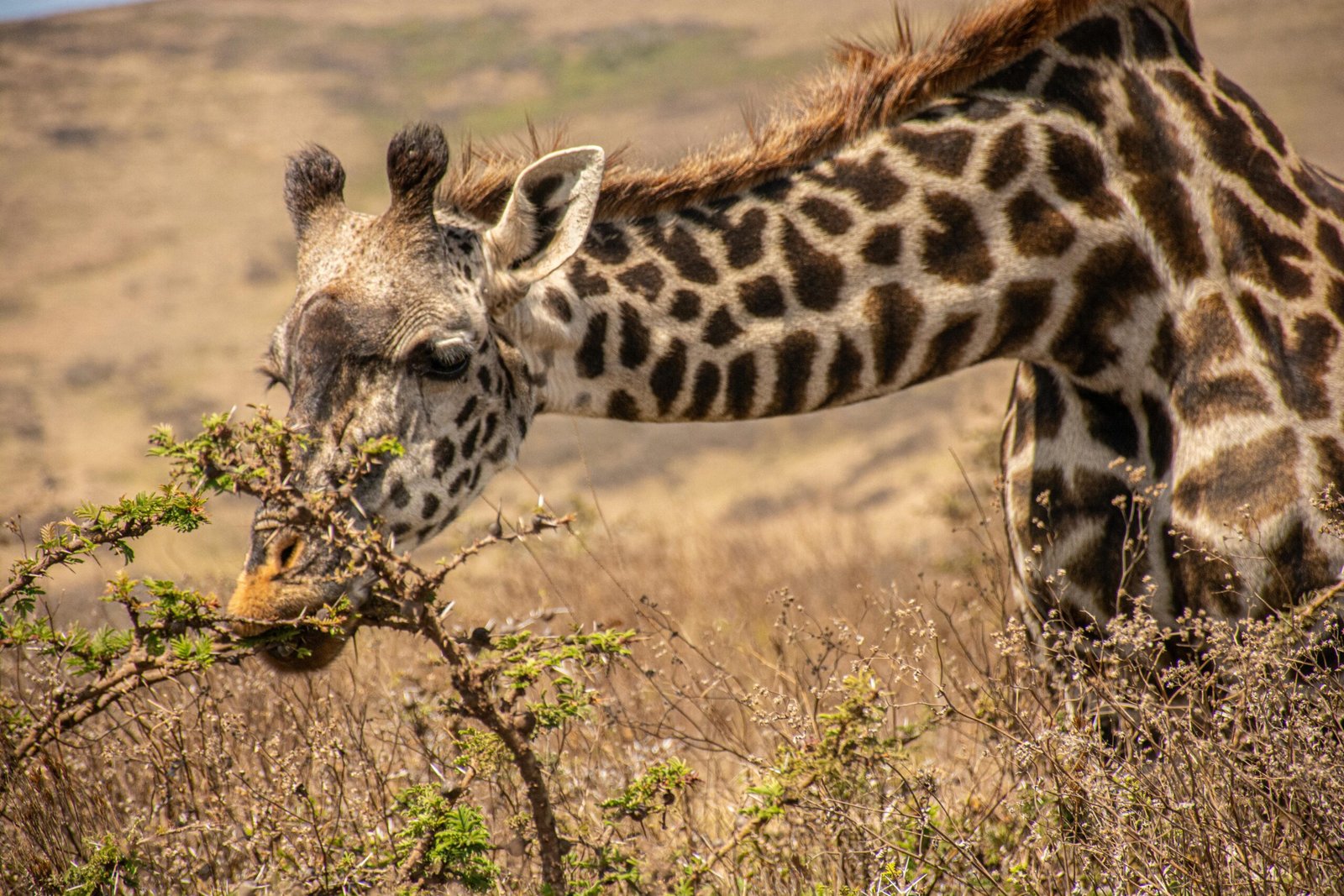
Hidden Wildlife Gems: Lesser-Known Parks Worth Visiting in Tanzania
When travelers think of wildlife safaris in Tanzania, famous names like Serengeti National Park and Ngorongoro Crater usually dominate the conversation. While these iconic destinations deserve their reputation, Tanzania is also home to a remarkable collection of lesser-known national parks and conservation areas that offer equally breathtaking wildlife experiences—often without the crowds. For travelers seeking authenticity, tranquility, and deeper connections with nature, these hidden wildlife gems provide unforgettable safari adventures.
Exploring Tanzania’s off-the-beaten-path parks not only reveals diverse ecosystems and rare species but also supports conservation efforts in less-visited regions. Here are some of the most rewarding yet underrated parks in Tanzania that deserve a place on your safari itinerary.
Ruaha National Park – Tanzania’s Untamed Wilderness
Ruaha National Park is the largest national park in Tanzania, yet it remains surprisingly uncrowded. Located in the heart of the country, Ruaha offers a raw and rugged safari experience defined by dramatic landscapes, ancient baobab trees, and the Great Ruaha River.
The park is renowned for its large elephant population and impressive predator sightings. Lions, leopards, cheetahs, and African wild dogs roam freely across vast open plains. Ruaha is also a paradise for bird lovers, with more than 570 bird species recorded. Its remote location and limited visitor numbers make Ruaha ideal for travelers who value solitude and immersive wildlife encounters.
Katavi National Park – Remote and Wild
Katavi National Park is one of Tanzania’s most remote and least-visited parks, making it a true hidden gem. Situated in western Tanzania, Katavi offers an untouched wilderness where wildlife behavior remains largely uninfluenced by human presence.
During the dry season, massive herds of buffalo, zebras, and antelopes gather around shrinking water sources, creating dramatic wildlife spectacles. Hippos crowd into muddy pools, while crocodiles compete for space along riverbanks. Predators such as lions and hyenas thrive in this intense environment. Katavi is perfect for seasoned safari enthusiasts seeking raw, unfiltered nature.
Mahale Mountains National Park – Chimpanzees and Forested Peaks
Nestled along the eastern shores of Lake Tanganyika, Mahale Mountains National Park offers a completely different safari experience. Instead of savannahs, visitors encounter lush forests, crystal-clear waters, and mist-covered mountains.
Mahale is best known for its large population of wild chimpanzees. Guided treks through the forest allow visitors to observe these intelligent primates in their natural habitat. Beyond chimp tracking, the park offers stunning hiking opportunities, birdwatching, and relaxing beach moments along Lake Tanganyika. The combination of wildlife, mountains, and water makes Mahale one of Tanzania’s most unique destinations.
Gombe Stream National Park – A Legacy of Conservation
Famous for Dr. Jane Goodall’s groundbreaking research, Gombe Stream National Park is one of Tanzania’s smallest parks but holds immense ecological and historical importance. Like Mahale, Gombe is located on Lake Tanganyika and is primarily known for chimpanzee tracking.
The park’s dense forests and steep valleys create a dramatic setting for observing primates up close. Visitors can also spot olive baboons, red colobus monkeys, and a variety of bird species. Gombe’s intimate size allows for highly personal wildlife experiences, making it ideal for travelers interested in conservation and behavioral studies.
Saadani National Park – Where Bush Meets Beach
Saadani National Park stands out as the only park in Tanzania where wildlife safaris meet the Indian Ocean. Located along the coast, Saadani offers a rare opportunity to see elephants, giraffes, and lions roaming close to sandy beaches.
The park’s diverse habitats include savannahs, mangroves, rivers, and marine environments. Boat safaris along the Wami River reveal hippos, crocodiles, and abundant birdlife, while the coastline supports green turtle nesting sites. Saadani is perfect for travelers looking to combine classic safari adventures with coastal relaxation.
Kitulo National Park – The Serengeti of Flowers
Often overlooked due to its lack of large mammals, Kitulo National Park is a botanical treasure located in Tanzania’s southern highlands. Nicknamed the “Serengeti of Flowers,” Kitulo is celebrated for its spectacular wildflower displays, especially during the rainy season.
The park hosts over 350 plant species, including rare orchids found nowhere else in the world. Rolling grasslands, misty mountains, and cool temperatures create a refreshing contrast to traditional safari destinations. Kitulo is ideal for nature lovers, photographers, and travelers interested in flora and scenic landscapes.
Mkomazi National Park – Conservation in Action
Mkomazi National Park lies in northern Tanzania near the Kenyan border and plays a vital role in wildlife conservation. The park is home to endangered species such as the black rhinoceros and African wild dog, supported by successful breeding and protection programs.
Mkomazi’s semi-arid landscapes, acacia woodlands, and mountain views provide a peaceful safari environment with fewer visitors. Giraffes, elephants, zebras, and antelopes are commonly seen, while birdwatchers can enjoy a wide variety of dry-region species.
Why Visit Tanzania’s Lesser-Known Parks?
Choosing Tanzania’s hidden wildlife gems offers several advantages. Fewer crowds allow for more exclusive game viewing and deeper connections with nature. These parks often provide more flexible safari experiences, including walking safaris, boat safaris, and primate tracking. Additionally, visiting lesser-known parks supports local communities and conservation initiatives that rely on sustainable tourism.
Final Thoughts
Tanzania’s wildlife story extends far beyond its most famous parks. From the remote plains of Katavi to the forested slopes of Mahale and the coastal beauty of Saadani, these lesser-known parks reveal the country’s incredible ecological diversity. For travelers seeking authenticity, adventure, and meaningful wildlife encounters, Tanzania’s hidden gems promise experiences that are just as powerful—if not more—than the well-trodden safari routes.
Exploring these parks allows you to see Tanzania from a new perspective, one defined by solitude, discovery, and the true spirit of the wild.
All Categories
Recent Posts
Top 10 Wildlife Encounters You Can’t Miss on a Tanzanian Safari
Hidden Wildlife Gems: Lesser-Known Parks Worth Visiting in Tanzania