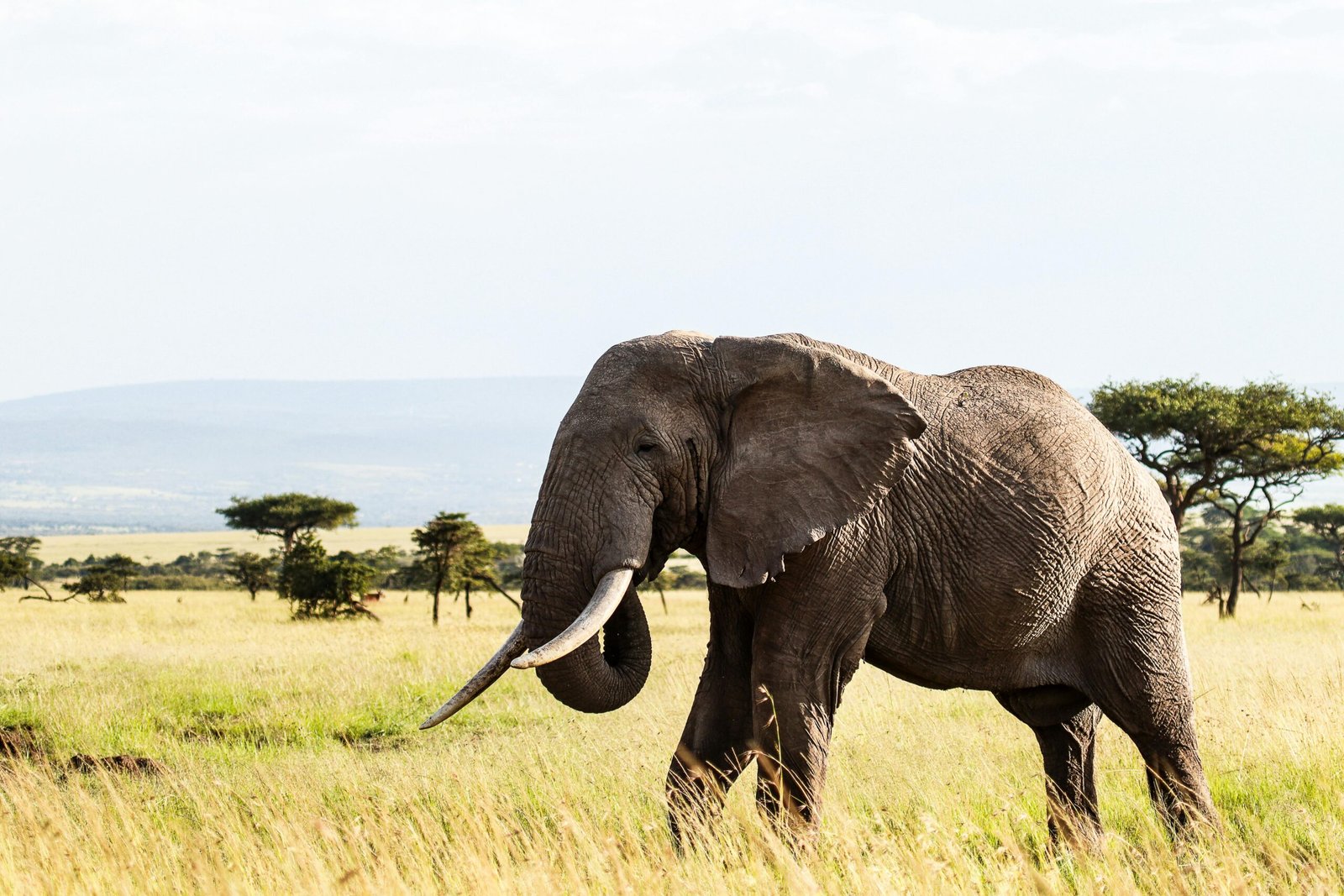
Family-Friendly Safaris: Tips for Travelling with Kids in Tanzania
A visit to Tanzania, where people take a safari, is a bucket-list activity to most families. Tanzania is an ideal location to take children to natural wonders and with its expansive savannas, the wildlife is rich and the people are very welcoming making it one of the best places to have such experience. However, there should be some preparations to have a safari with children to be sure that it would be comfortable, safe and unforgettable. These are the tips that will assist you to have family friendly safari in Tanzania.
What Love about Tanzania as a Family Safari Destination?
Tanzania is a classroom in itself whereby children have a chance to study the wildlife, ecosystems and conservation when they have a first hand experience. It is a thrilling and a learning experience every minute, be it when you glimpse elephants wandering in Tarangire or lions in the Serengeti or flamingos in the Ngorongoro Crater. Tanzania Safari lodges and camps are even turning into family friendly places with some even offering to give flexible times to take meals, child friendly guides and even junior ranger programmes.
The other advantage is the variety of the styles of safari in the country. The families can either make a private game drive, walk safari with elder children, a tour of a cultural village or simply relax in a lodge with a swimming pool. The flexibility also implies that the itinerary can be adjusted to the energy requirements of the children and their interests.
What are the best ages of children to be on safari?
Despite the fact that majority of the tour operators recommend individuals to bring children who are at the age of six years and more in safaris, these families with young children can get some good experiences as long as itineraries are well arranged. A younger child (10 years and above) will be interested in short trips with plenty of breaks but an older child (10 years and above) would tend to be interested in a long game drive. Consider how long-suffering, inquisitive, and early your child is, before you form your opinion.
Planning the Right Itinerary.
All this is less when you have a travelling party with kids. Instead of touring around a number of parks, choose two or three attractions and do it right. This saves them time wasting on long trips and gives the children a chance to familiarize with new environments.
Serengeti National Park: This park is worth taking the old children because they will be in a position to spend more time in the game drive as well as they will be able to enjoy the thrill of seeing the Big Five.
Ngorongoro crater: It is not very big yet very full of animals and a good day-trip without wasting hours in the motorcar.
Tarangire National Park: Tarangire has elephants and baobab trees and the game drives are not long enough, therefore the young children can enjoy it better.
Lake Manyara: It is a habitat of both wildlife, tree climbing lions and biking or canoeing.
Having a balanced attitude where the driving safari includes the visits such as the Maasai families or the local market, you can bring variety and can make the experience of the kids more enriching.
The choice of Families-Friendly Lodges and Camps.
Accommodation may or may not make family safari and may or may not break it. Find lodges or tent camps which are family oriented:
Comfort and privacy Family tent or interconnecting rooms.
The swimming pool will be provided so that the kids can get some relaxation after the game drives.
Flexibility in menus of kid friendly food.
Those tourists who have children in their belt, who can remember them with the help of games and interesting facts.
Educational, e.g. walks around the camp, or night star watching.
Some lodges also provide babysitting service and this will allow the parents to have a peaceful dinner or a game drive during the night.
Preparing Kids before the Trip.
It builds up an anticipation before the safari and this assists in enhancing the experience. Read animal storybooks, or films about nature or form a list of the animals your children would like to visit. Teach them about conservation and why nature has to be respected so that they are informed about the importance of conserving wildlife.
In addition, set attainable goals: animals are not available when you want them and it is part of the adventure to wait. This is explicable beforehand to ensure frustration caused by silence moments during the game drives is reduced.
List Packing: Family Essentials.
Smart packing is also comfortable and secure to the whole family. Key items include:
Light and neutral garments, that can be worn during the hot days and cold evenings.
Sunglasses and sun protection hat.
Kid-size binoculars, and they can therefore be included in the fun of sightseeing animals.
Consumption of reusable water bottles so as to stay hydrated.
Long drive healthy snacks.
Child friendly sunscreen and insect repellant.
Every child will carry a small backpack with him or her the necessities.
Travel games or booklets or coloring books to do in between activities.
Safari health safety tips.
In any case, the first thing to consider when travelling with children is safety. Here are a few guidelines:
You have to listen to what your guide tells you to do especially when in the wildlife.
Do not leave the kids out of the vehicle when making game drives.
Vaccinations and malaria precautions are up to date- before travelling ask your pediatrician.
It is always important to keep a basic first-aid kit which contains drugs against common illnesses like stomach upsets or insect bites.
Hands washing especially before meals should be encouraged among the kids.
It keeps off risks and offers security to the whole family since it is proactive.
Persevering with children activities within game drives.
The game drives are time consuming at times of up to several hours and this could be unbearable to the young children. To keep them engaged:
Make wild animal checklists or bingo cards.
They should be allowed to take their own pictures in the safari.
Ask guides to read funny stories about animals.
Some picnic stops or a rest of the legs can be done during long drives.
Having the kids enthusiastic and interested in the drive makes it a fun interactive adventure.
Venturing into Cultural Experiences.
Tanzania can also be a rich cultural experience other than wildlife. A trip to a Maasai community can give children the insight into the culture and life of the Maasai village. It is an interesting and educative experience due to the interactive nature of their activities that include learning to throw a spear, learning beadwork or listening to traditional songs.
These cultural interactions can help children to appreciate diversity and they can equally respect other lifestyles.
Relaxation and Adventure in a moderation.
In spite of its excitement, children are supposed to take a rest following a safari. Days of rest take place in your schedule when the family is going to rest in the lodge, go in the water or play board games. This balance ensures that the children do not become overwhelmed and they make them feel even more to be on the safari highlights.
Final Thoughts
A Tanzanian family safari is not a holiday, it is an adventure that creates the interest, enhances relationships, and makes life in life of one of the family members. By properly planning, choosing accommodations that the children are comfortable with and the blend of the wildlife experience with the cultural one the parents will be sure that the children do not only have a good time at their destination, but also have a better insight of the natural world.
The big landscapes and abundant wildlife within the Tanzanian environment can become the game of exploration, and one of the most rewarding family traveling experiences of the year in case you prepare well in advance.
All Categories
Recent Posts
Top 10 Wildlife Encounters You Can’t Miss on a Tanzanian Safari
Hidden Wildlife Gems: Lesser-Known Parks Worth Visiting in Tanzania