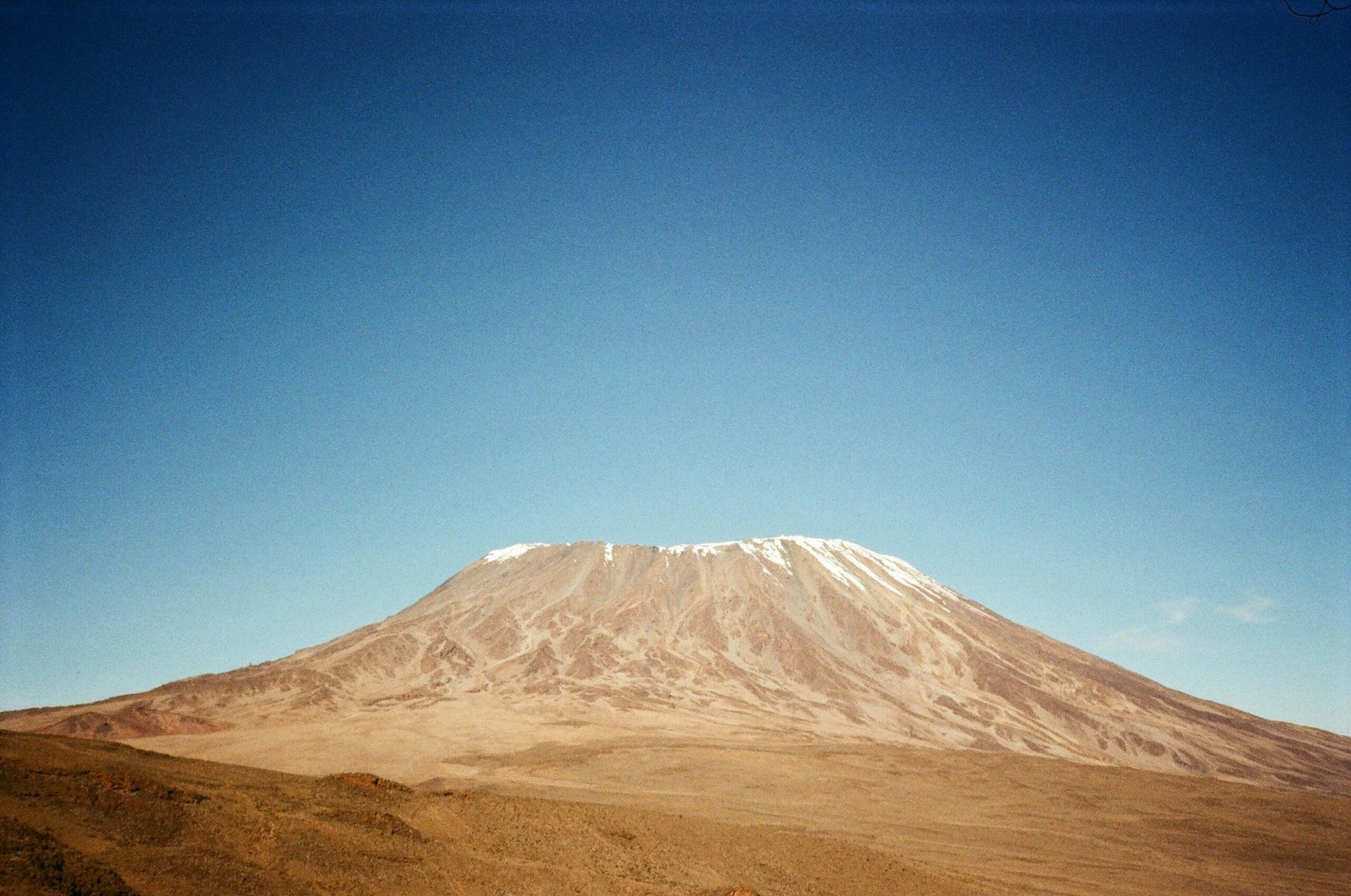
Dry vs. Wet Season Kilimanjaro Climbing: Choosing the Best Time
Mount Kilimanjaro, Africa’s highest peak, attracts thousands of climbers every year who dream of standing on its iconic summit, Uhuru Peak. While Kilimanjaro does not require technical climbing skills, choosing the right time to climb plays a major role in the overall experience. The mountain’s climate is largely defined by dry and wet seasons, each offering distinct advantages and challenges. Understanding the differences between dry and wet season climbing can help you plan a safer, more enjoyable, and more successful ascent.
Understanding Kilimanjaro’s Seasons
Kilimanjaro’s weather is influenced by its proximity to the equator, resulting in relatively stable temperatures year-round but varying rainfall patterns. The mountain has two main dry seasons and two wet seasons.
The long dry season runs from June to October, while the short dry season typically occurs from January to early March. The long wet season spans March to May, and the short wet season usually falls in November to early December.
Each season affects trail conditions, visibility, crowd levels, and overall comfort differently.
Climbing Kilimanjaro During the Dry Season
The dry season is widely considered the best time to climb Mount Kilimanjaro. During these months, rainfall is minimal, trails are firmer, and weather conditions are more predictable.
One of the biggest advantages of dry season climbing is better visibility. Clear skies provide breathtaking views of the surrounding plains, glaciers, and volcanic landscapes. Sunrise from the summit during dry months is often spectacular, making it ideal for photography and sightseeing.
Trail conditions are another major benefit. Dry paths reduce the risk of slipping, making the trek safer and more comfortable, especially on steeper sections like the Barranco Wall. Campsites are generally drier, which improves sleeping conditions and reduces the risk of cold-related discomfort.
However, dry season climbing comes with a few drawbacks. These months are also peak tourist season, meaning popular routes such as Machame and Marangu can be crowded. Campsites may feel busy, and permits can book up quickly. Prices for tours may also be higher due to increased demand.
Additionally, temperatures during the dry season, especially from June to August, can be colder at higher altitudes. Summit night can be extremely cold, requiring proper cold-weather gear.
Climbing Kilimanjaro During the Wet Season
The wet season offers a very different Kilimanjaro experience. While often overlooked, it can still be a viable option for climbers who are well-prepared and seeking a quieter adventure.
One of the biggest advantages of wet season climbing is fewer crowds. Trails are less busy, providing a more peaceful and personal experience on the mountain. This can be especially appealing for climbers who prefer solitude and a deeper connection with nature.
The landscape during the wet season is also incredibly lush and vibrant. Lower slopes are green and full of life, offering beautiful scenery not seen during drier months. Wildlife sightings are sometimes more frequent, particularly in forested zones.
However, the challenges of wet season climbing are significant. Rain can make trails muddy and slippery, increasing physical strain and the risk of minor injuries. Wet gear and damp campsites can make nights uncomfortable if proper waterproof equipment is not used.
Cloud cover is another drawback. Summit views may be limited, and visibility throughout the trek can be reduced. Heavy rain during the long wet season can occasionally lead to route closures or delays, especially in March and April.
Comparing Dry and Wet Seasons
When deciding between dry and wet season climbing, it is important to weigh your priorities. If your main goals are clear views, safer trails, and higher summit success rates, the dry season is generally the better choice. It is ideal for first-time climbers and those who want the most predictable conditions.
On the other hand, if you value quiet trails, lower costs, and unique scenery, the wet season may be appealing. Experienced hikers who are comfortable trekking in rainy conditions often find wet season climbs rewarding and less crowded.
Acclimatization success depends more on route choice and climb duration than season alone. However, wet conditions can add physical stress, making longer routes even more important during rainy months.
Best Routes by Season
Certain routes perform better in different seasons. During the dry season, almost all routes are suitable, including Machame, Lemosho, Rongai, and Marangu. Rongai is especially popular during dry months due to its gradual ascent and scenic views.
In the wet season, Rongai Route is often recommended because it lies on the drier northern side of the mountain. Lemosho can also work well, as it offers longer acclimatization and fewer crowds, though rain should still be expected.
Choosing the Best Time for You
The best time to climb Kilimanjaro ultimately depends on your experience level, budget, schedule, and expectations. Dry season climbs offer comfort and reliability but come with crowds and higher costs. Wet season climbs demand more resilience and preparation, but reward climbers with solitude and striking green landscapes.
Regardless of the season you choose, proper planning, quality gear, and a reputable guide service are essential. Kilimanjaro is a year-round mountain, and with the right mindset and preparation, both dry and wet season climbs can lead to an unforgettable summit experience.
Choosing the best time is not about avoiding challenges—it’s about selecting the season that aligns best with your adventure goals.
All Categories
Recent Posts
Top 10 Wildlife Encounters You Can’t Miss on a Tanzanian Safari
Hidden Wildlife Gems: Lesser-Known Parks Worth Visiting in Tanzania