Dances, Drums, and Destinations: Experiencing Tanzania Through Culture
Rhythm and movement are a way of life in Tanzania, as the golden sunsets above the Serengeti. There is much more than the breathtaking nature and wildlife safaris that are offered. There is a rich cultural mosaic that is alive with the dances, the drums and the old traditions. Each beat of the drum tells a tale of togetherness, feast, and identity and each move of dancing is the reflection of the people who are strongly tied to their origins. To fully satisfy a tourist, it is necessary to get beyond the safari tracks and into the heart of the Tanzanian culture.
The Pulse of Tanzania: The Rhythm of the Drum.
The drum is not just a music instrument in Tanzania but the heartbeat of the people. Everything is celebrated using drums throughout the Swahili coast up to the Maasai plains: births, weddings, harvests, and spiritual ceremonies. Every one of the regions has its distinct drumming patterns that bear the centuries of meaning.
The rhythms are influenced by the Arab, Indian and African in the coastal region such as Bagamoyo and Zanzibar and a blend of the melodies inspires the body and the soul. The ngoma drums used are the traditional drums that are made out of hollowed logs, and covered with animal skin which are played with hands or sticks giving it a deep and resonant sound that can be felt in the chest. When these drums are played, they summon the community together, it means that it is a celebration, mourning, or worshiping time.
Going out to view local drumming performance is not a mere source of entertainment but a call to communicate. The visitors are usually invited to participate, applaud, dance, or even have a chance to play the drums. The zeitgeist is contagious – a genealogical cultural experience.
Dance: The Expression of Life
Dance has been included even in every corner of Tanzanian life. It is the way of narration, feelings, and community forming. Every ethnic group including the Sukuma of the north and Makonde of the south have their own dance traditions that define their environment, beliefs and history.
The Sukuma is one of the most interesting types of dance that is usually accompanied with dramatic acrobats and storytelling. There are warriors leaping high into the air and their movements are echoing the hunt or battles during the time of their forebears. The dancers also put on colorful costumes and the audience joins the performance through clapping and chanting along the rhythms thus making the performance a community event.
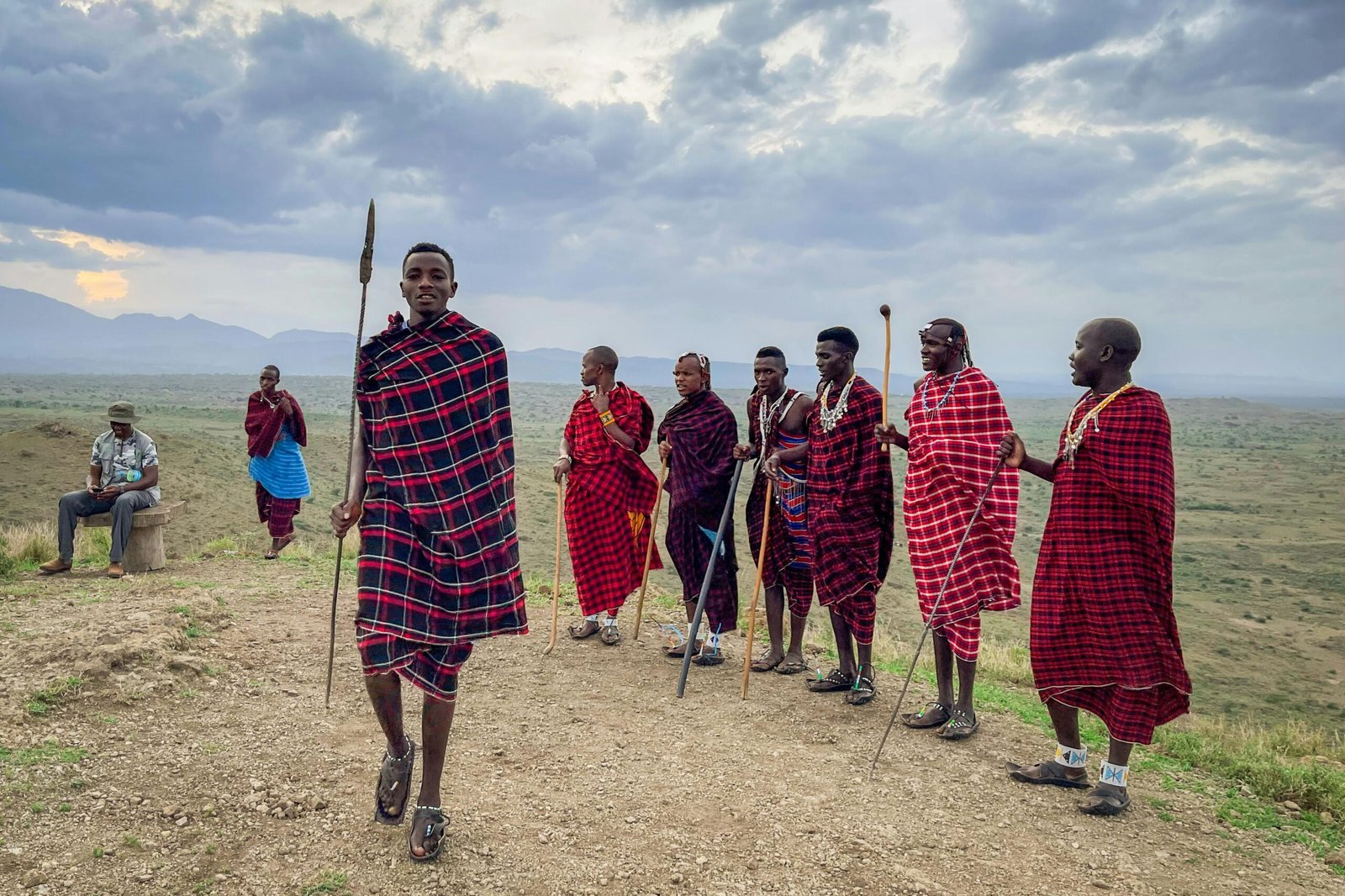
Taarab is a traditional Zanzibar music that gives birth to slow and graceful dances with Arabic and Indian influences. The concerts are refined and include poetic songs and the soft tones of the violins and the ouds. In the meantime, the Maasai jumping dance, which is called Adumu, is an expression of power, stamina, and pride. Young men are in a circle, and each in turn jumps to the maximum height to show that they are agile and worthy of applause – a manifestation of beauty and tradition.
All the dances, regardless of their differences, are the celebration of life, solidarity and community. When you watch them, you do not simply see motion, you experience the story being acted out on your screen.
Zanzibar: A Crossroad of Cultures.
Zanzibar is the only place where the cultural diversity of Tanzania resides. This is a multi-ethnic island that has been melting pot of cultures since centuries, African, Arab, Persian and European influences blend together to form individual identity. Strolling through the tiny streets of Stone Town, you will be able to hear the call to prayer in the old mosques, the smell of spices and cloves, and carved wooden doors which reveal the stories of the past centuries.
The festivals in the island can actually be called a celebration of life and art. Zanzibar International Film Festival (ZIFF) is the festival where the finest of African movies and music is on display, and Sauti za Busara Festival programs the streets with drums, dancing, and the African soul. These occasions attract musicians who have their talent all through the continent making the island a lively platform to showcase culture.
To the tourists, Zanzibar is not just a beach but a historical experience with the Swahili civilization. Whether it is a visit to spice farm, or Taarab performance during moonlight, all of it is filled with history and hospitality.
Tribal Traditions: the Soul of the Land.
There are more than 120 tribes in Tanzania, and they all make the country a multi-colored cultural tapestry. The most notorious of them is the Maasai, which is known by its red shukas (robe), elaborate beadwork, and warrior culture. A trip to a Maasai village provides an understanding to their semi-nomadic life, primitive traditions, and appreciation of nature.
Chagga people in the Mount Kilimanjaro are characterized by farming culture and banana beer called mbege. Hikers who climb the mountain will be able to make a stop in local Chagga villages to sample this brew that is made at home and to discover how the traditional agriculture helps keep people alive. In the south, Makonde people are known to have elaborate carvings in ebony -carvings which are storytelling sculptures that are spiritual, familial and life telling.
The cultural tourism programs in Tanzania like the Mto wa Mbu, Arusha and Moshi provide the tourists with the opportunity to interact with these traditions in a respectful manner. You may study how to cook local food, how to do local crafts or to attend community dances. It is authentic interaction – both travelers and local communities get a new outlook and both economically and pridewise.
Festivals and Celebrations: The Happy Spirit of Tanzania.
During the year, the Tanzania is full of color and rhythm when it comes to the festivals. The visitors come together to enjoy some music, food, and cultural performances at these events, demonstrating the creativity and unity of the nation.
One of the oldest coastal towns is the location of the Bagamoyo Arts Festival that honors dance, drumming and visual art. It brings together artists all round East Africa to perform and share ideas which continue the cultural heritage of the region. The Karibu Music Festival at Bagamoyo and the Nyama Choma Festival in Dar es Salaam are also equally colorful with Tanzanian musicians and lots of tasting grilled meat, a real treat of the senses.
There are also religious and traditional celebrations that unite people such as the Eid al-Fitr, Christmas and Uhuru Day ( Independence Day). No matter the religion or tribe, the Tanzanians are very united and any celebration seems a national family reunion.
Travelling through the Culture.
Cultural experience can be incorporated in the itinerary of the travelers who want to get a feel of the culture of Tanzania. The visit to Mto wa Mbu village, which is situated close to Lake Manyara, gives a picture of the diversity in Tanzania since more than 100 tribes co-exist there. Visitors can go to local markets, try local food such as ugali and nyama choma in Arusha where they can get to know about local handicrafts.
A wildlife safari or a beach vacation is enhanced with a few cultural days added to the traveling experience. Knowing how amazing it is to watch a Maasai dance by a starry sky or to listen to Taarab music by a coastal region by listening to the ocean breeze flowing through the palm trees and making them sway, makes a visit a life long memory.
Six Sigma: The Heartbeat of Tanzania.
It should not be as in museums or historical places that Tanzania culture lives and breathes in each village, festival and song. Its beats, its salsas and the friendliness of its people all make it a soul-moving journey. The cultural way to experience Tanzania is to comprehend what the country really is: proud, diverse, and beautifully alive.
Then, when you have another adventure, you should not only consider the wildlife safaris and mountain ascents, but also you should listen to the beats of the drums, become part of the dance, and be touched by the Tanzanian spirit.
All Categories
Recent Posts
Top 10 Wildlife Encounters You Can’t Miss on a Tanzanian Safari
Hidden Wildlife Gems: Lesser-Known Parks Worth Visiting in Tanzania